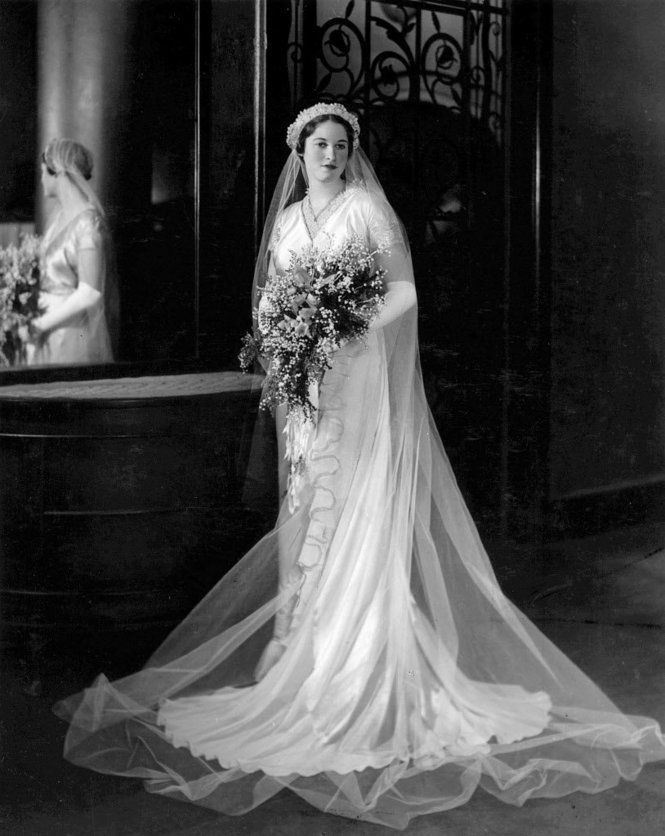
In the world of weddings, trends come and go, but one style that never seems to fade away is the allure of vintage glamour. Retro-inspired wedding dresses offer a timeless elegance that harks back to the golden eras of romance and sophistication. Whether you’re drawn to the 1920s flapper style, the 1950s tea-length frocks, or the bohemian vibes of the 1970s, there’s a vintage-inspired look for every bride dreaming of a nostalgic affair.
The 1920s: The Roaring Twenties
The 1920s were a time of great change and liberation, and this spirit is perfectly captured in the flapper dress. These dresses are characterized by their drop-waist silhouette, intricate beading, and fringed hemlines that shimmer with every movement. A bride opting for a 1920s-inspired wedding dress might choose a gown with Art Deco motifs, a plunging neckline, and a sleek, straight cut that skims the body. Accessories such as a headband adorned with feathers or a long string of pearls can complete the look, transporting guests back to the era of the Charleston and speakeasies.
The 1950s: Grace and Elegance
The 1950s brought a return to femininity and elegance after the utilitarian years of World War II. Wedding dresses from this era often feature a fitted bodice, a cinched waist, and a full, flowing skirt that creates a stunning silhouette. Tea-length dresses are particularly popular for their playful yet sophisticated charm. A 1950s-inspired bride might also choose a dress with a sweetheart neckline, off-the-shoulder sleeves, or a peter pan collar for a touch of innocence. Accessories like a birdcage veil, a pair of kitten heels, and a statement necklace can add the perfect finishing touches to this classic look.
The 1970s: Bohemian Rhapsody
The 1970s were a time of freedom and self-expression, and this is reflected in the bohemian style of the era. Wedding dresses from the 70s often feature light, flowing fabrics such as chiffon or lace, with a focus on comfort and ease of movement. A 1970s-inspired gown might have a empire waist, bell sleeves, or a crochet lace bodice. For the ultimate boho look, a bride might choose a dress with a long, sheer skirt or a separates ensemble consisting of a peasant top and tiered maxi skirt. Accessories like a flower crown, barefoot sandals, or a fringed shawl can add to the laid-back, earthy vibe of a 70s-themed wedding.
Incorporating Vintage Glamour into Your Wedding
When planning a wedding with a retro-inspired theme, it’s important to consider how the dress will fit into the overall aesthetic. The venue, decor, and even the invitations should reflect the chosen era to create a cohesive and immersive experience for the guests. A vintage-inspired wedding might feature a classic car as the getaway vehicle, a live band playing hits from the chosen decade, and a photo booth with props that match the theme.
For brides looking to add a personal touch to their retro-inspired wedding dress, incorporating heirloom jewelry or a piece of lace from a family member’s gown can honor tradition while embracing the past. Alternatively, a custom-made dress that combines elements from different eras can create a unique and one-of-a-kind look.
In conclusion, vintage glamour offers a rich tapestry of styles for brides seeking a wedding dress that stands out from the crowd. Whether you’re drawn to the glitz and glamour of the 1920s, the grace and elegance of the 1950s, or the bohemian spirit of the 1970s, a retro-inspired gown can make your wedding day a truly nostalgic affair. With the right dress and a thoughtful nod to the past, you can create a timeless celebration that you and your guests will cherish for years to come.
