Behind the Scenes of Competitions: The World of Pet Shows

uberpreneurs.com – Pet shows, a cornerstone of the animal enthusiast community, are events where pets and their owners come together to compete in various categories. These shows are not just about the glamour of the ring; they are a testament to the dedication, hard work, and passion of both the pets and their handlers. Behind the scenes, there is a world of preparation, training, and a deep understanding of the specific breed standards and competition rules.

The Preparation Process

The journey to a pet show begins long before the event itself. Owners and trainers spend countless hours preparing their pets, ensuring they meet the breed standards and are in peak physical condition. This includes grooming, exercise, and training to ensure the pets are well-behaved and can perform the required tasks or showcase their best features during the competition.

Training for the Ring

Training for pet shows is a specialized process. Dogs, for example, must learn to walk on a leash properly, stand still for examination, and perform in various exercises that showcase their obedience, agility, and conformation to breed standards. Cats, on the other hand, need to be comfortable with being handled and judged, often requiring a different approach to training.

The Role of Breed Standards

Breed standards are the guidelines used by judges to evaluate the animals in a pet show. These standards vary by breed and include specific criteria for appearance, temperament, and health. Understanding and adhering to these standards is crucial for success in the competition.

The Day of the Show

On the day of the show, the atmosphere is electric. Owners and pets arrive early, often spending the day grooming and preparing for their turn in the ring. The competition itself is a showcase of the best in each breed, with winners determined by judges who are experts in their respective fields.

Beyond the Competition: Community and Education

Pet shows are also a place for community and education. They provide a platform for breeders, owners, and enthusiasts to come together, share knowledge, and celebrate their love for animals. Many shows also include educational components, offering seminars and workshops on topics such as animal care, training, and breeding.

The Impact of Pet Shows on Breed Preservation and Animal Welfare

Pet shows play a significant role in the preservation of breeds and the promotion of animal welfare. By setting high standards for health, temperament, and conformation, these events encourage responsible breeding practices and help to ensure the well-being of animals.

Conclusion

The world of pet shows is much more than meets the eye. It is a community built on passion, dedication, and a deep love for animals. Behind the scenes, there is a world of preparation, training, and education that goes into making these events successful. Whether competing or simply attending, pet shows offer a unique opportunity to celebrate and learn about the diverse world of pets and their human companions.

Animals of the Night: Nocturnal Narratives

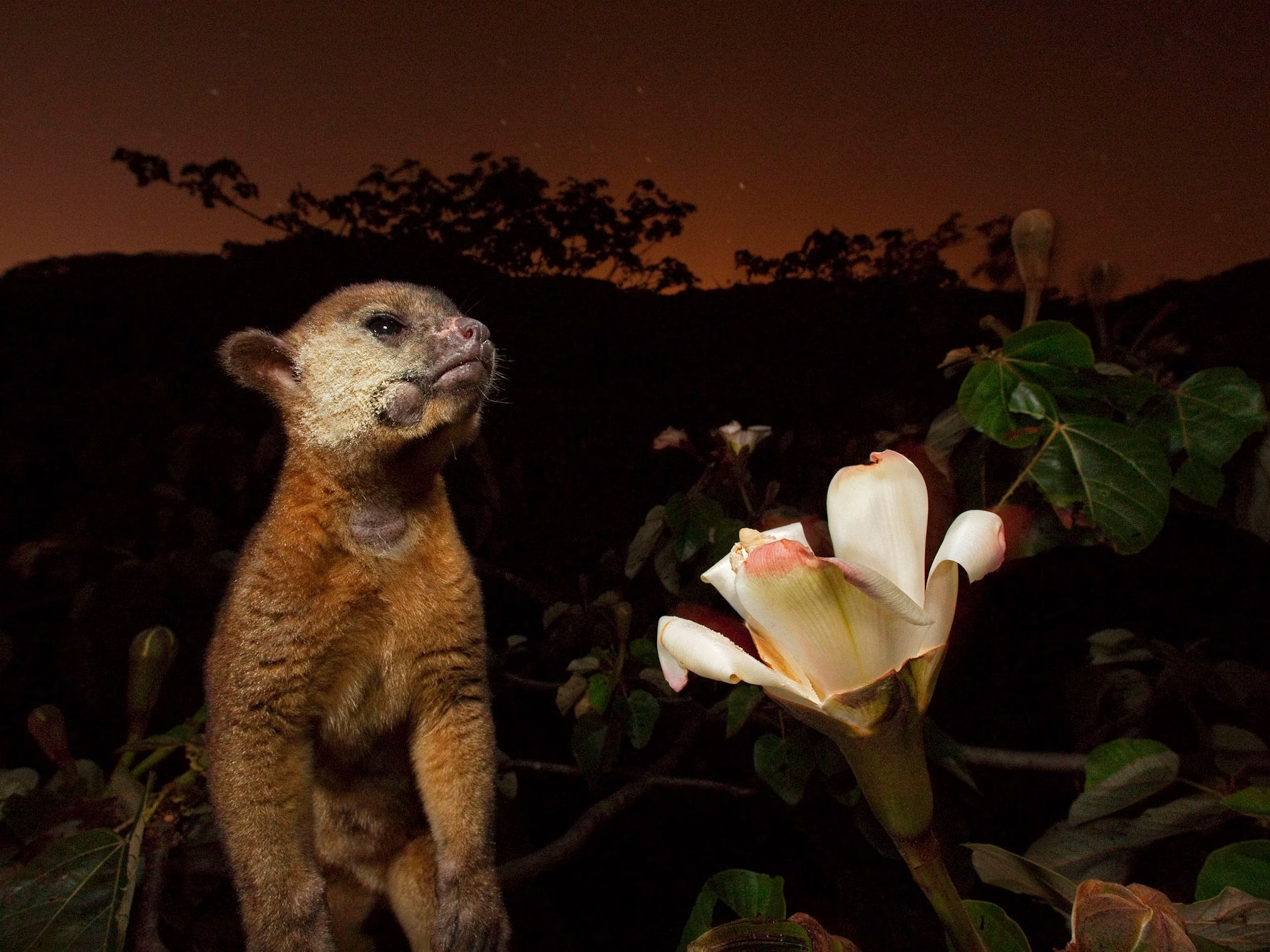
uberpreneurs.com – As the sun dips below the horizon and the world is cloaked in darkness, a different kind of life begins to stir. The nocturnal animals, creatures that have adapted to the cover of night, emerge from their daytime retreats to hunt, forage, and socialize under the moon’s gentle glow. These animals of the night are not just survivors; they are architects of a rich and complex nocturnal world, a realm where silence is often broken by the rustle of leaves, the hoot of an owl, or the distant call of a coyote.

The Silent Stalkers: Predators of the Night

Predators are the quintessential nocturnal animals, having evolved keen senses to navigate and hunt in the dark. The owl, with its large, forward-facing eyes and silent flight, is a master of the night sky. Its eyes are designed to gather as much light as possible, allowing it to spot prey from great distances. The ears of an owl are asymmetrical, enabling it to pinpoint the exact location of its prey in complete darkness.

On the ground, the silent stalker is often the feline family, with cats like the bobcat and lynx using their superior night vision and stealth to hunt. Their eyes are equipped with a reflective layer called the tapetum lucidum, which enhances their night vision by reflecting light that passes through the retina back into their eyes, effectively doubling the available light.

The Social Nightlife: Bats and Their Echolocation

Bats, the only mammals capable of true flight, have a unique way of navigating the night. They use echolocation, a sophisticated sonar system, to “see” in the dark. By emitting high-pitched sounds and listening for the echoes, bats can detect prey, avoid obstacles, and find their way around in complete darkness. This adaptation not only allows them to be very successful nocturnal hunters but also enables them to perform complex aerial maneuvers.

Bats are also known for their social structures, often roosting in large colonies. These colonies can range from a few dozen to several thousand individuals, depending on the species. Their social interactions, mating rituals, and communal rearing of young are all fascinating aspects of their nocturnal lives.

The Secretive Foragers: Insects and Small Mammals

The night is also alive with the sounds and movements of smaller creatures. Insects like moths, beetles, and fireflies take to the air or crawl along the ground, seeking mates or food. Many of these insects have evolved to be active at night to avoid predators or to take advantage of the cooler temperatures.

Small mammals such as mice, rats, and hedgehogs scurry about, foraging for food. These animals have adapted to the nocturnal lifestyle by developing excellent hearing and a keen sense of smell, which help them navigate and find food in the dark.

The Importance of Nocturnal Animals

Nocturnal animals play crucial roles in their ecosystems. Predators help control pest populations, pollinators like bats and moths are essential for plant reproduction, and decomposers break down organic matter, recycling nutrients back into the soil. The loss of nocturnal species can have far-reaching impacts on the health of ecosystems and the services they provide to humans.

Moreover, the nocturnal world offers a unique perspective on the diversity of life on Earth. It reminds us that not all life operates on the same schedule and that the natural world is far more complex and fascinating than we might initially perceive.

Conclusion

The nocturnal world is a realm of mystery and wonder, filled with creatures that have adapted to the challenges and opportunities of the night. From the silent flight of an owl to the echolocation of bats, the animals of the night have developed remarkable strategies for survival. As we continue to explore and learn about these creatures, we gain a deeper appreciation for the intricate web of life and the importance of preserving the habitats that support such diverse and fascinating nocturnal narratives.

Unveiling the Impact of Insects on Ecosystems: The Butterfly Effect

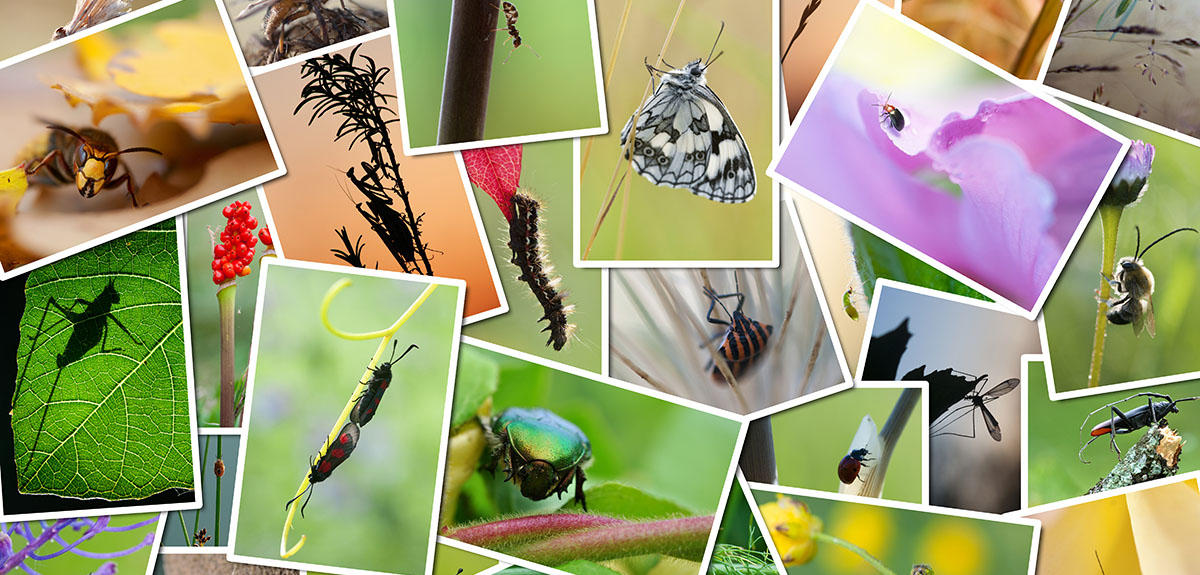
In the realm of ecology, the term “butterfly effect” takes on a literal meaning, far beyond its metaphorical use in chaos theory. Butterflies, with their delicate wings and vibrant colors, are not just symbols of transformation and beauty; they are crucial indicators and influencers of the health and balance of ecosystems. This article delves into the multifaceted roles butterflies play in their environments and how these seemingly small insects can have a significant impact on the world around them.

Pollination and Biodiversity:
One of the most critical roles butterflies play in ecosystems is pollination. As they flit from flower to flower, collecting nectar, they inadvertently transfer pollen grains, facilitating plant reproduction and genetic diversity. This process is vital for the production of seeds, which in turn supports food chains and biodiversity. Many plants, especially those with deep flowers, have evolved to rely on butterflies for pollination, creating a symbiotic relationship that ensures the survival of both species.

Indicators of Environmental Health:
Butterflies are highly sensitive to environmental changes, making them excellent bioindicators. Their presence, absence, or abundance can signal the health of an ecosystem. For instance, a decline in butterfly populations may indicate habitat loss, pollution, or climate change. Conservationists and scientists often monitor butterfly species to assess the impact of human activities on the environment and to inform policies aimed at preserving biodiversity.

Predator-Prey Dynamics:
Butterflies occupy a middle ground in the food chain, serving as both prey and pollinators. They are a food source for various animals, including birds, small mammals, and other insects. The intricate predator-prey relationships involving butterflies help maintain ecological balance. Moreover, some butterfly species have evolved defense mechanisms, such as toxicity or warning coloration, which can influence the behavior of predators and contribute to the complexity of ecosystem interactions.

Soil Fertility and Nutrient Cycling:
The life cycle of butterflies also plays a part in soil fertility and nutrient cycling. Butterfly larvae, or caterpillars, are herbivorous and consume large quantities of plant material. Their droppings, enriched with nitrogen, phosphorus, and other nutrients, are deposited on the soil, contributing to its fertility. This process aids in the decomposition of organic matter and the recycling of nutrients, which are then available for plant uptake, further supporting plant growth and ecosystem productivity.

Cultural and Economic Significance:
Beyond their ecological roles, butterflies hold cultural significance in many societies, symbolizing freedom, beauty, and transformation. They also have economic value, attracting tourists to natural reserves and butterfly gardens, which can boost local economies. Additionally, the study of butterflies and their behaviors has contributed significantly to scientific knowledge in fields such as genetics, ecology, and evolutionary biology.

Conclusion:
The butterfly effect, in its ecological sense, underscores the profound impact of butterflies on ecosystems. From pollination to nutrient cycling, and from serving as bioindicators to their role in cultural and economic realms, butterflies are indispensable components of the natural world. As we continue to face environmental challenges, it is crucial to recognize and protect these delicate creatures and the ecosystems they help sustain. By doing so, we can ensure the health and resilience of our planet for generations to come.