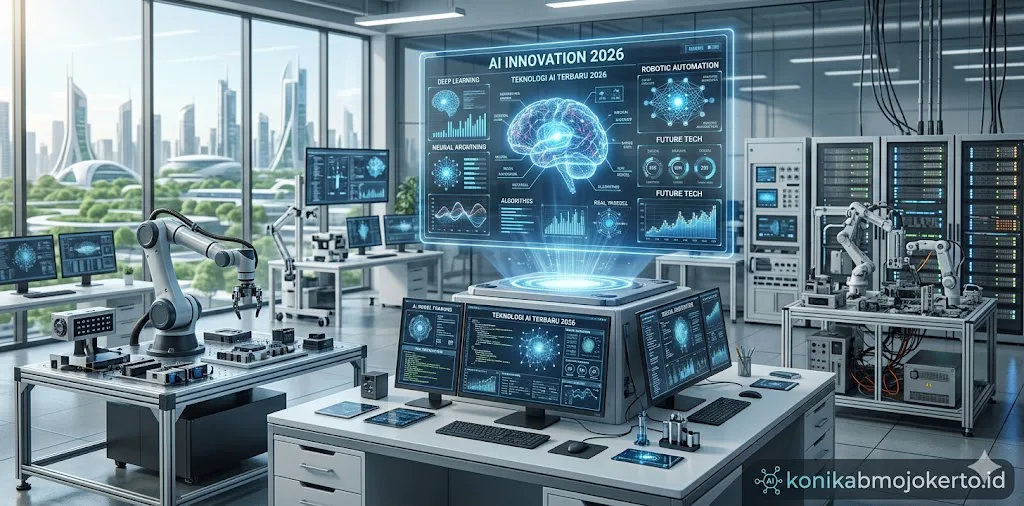
uberpreneurs – Perkembangan teknologi saat ini bergerak sangat cepat. Salah satu topik yang sedang viral di berbagai negara adalah kecerdasan buatan atau Artificial Intelligence (AI). Teknologi ini menjadi perhatian karena mampu membantu manusia dalam banyak bidang, mulai dari pekerjaan, pendidikan, hiburan, hingga bisnis digital roulette.
AI semakin populer setelah banyak perusahaan teknologi menghadirkan aplikasi pintar yang dapat menjawab pertanyaan, membuat gambar, menulis artikel, hingga membantu proses editing video secara otomatis. Kehadiran teknologi tersebut membuat masyarakat merasa lebih mudah dalam menyelesaikan pekerjaan sehari-hari.
Di media sosial, pembahasan mengenai AI terus muncul setiap hari. Banyak kreator konten menggunakan teknologi ini untuk membuat video, desain, dan tulisan dengan lebih cepat. Bahkan, beberapa pekerjaan yang sebelumnya dilakukan secara manual kini mulai dibantu oleh sistem otomatis berbasis AI.
Pengaruh AI dalam Dunia Kerja
Teknologi AI memberikan perubahan besar dalam dunia kerja modern. Banyak perusahaan mulai menggunakan sistem otomatis untuk meningkatkan efisiensi dan produktivitas. Contohnya, layanan pelanggan kini sering menggunakan chatbot pintar yang mampu menjawab pertanyaan konsumen selama 24 jam.
Selain itu, AI membantu proses analisis data dalam jumlah besar. Perusahaan dapat membaca kebiasaan pelanggan dengan lebih cepat sehingga strategi pemasaran menjadi lebih tepat sasaran. Dalam dunia kreatif, teknologi AI juga digunakan untuk membuat desain, musik, dan konten digital.
Walaupun demikian, perubahan ini membuat sebagian orang merasa khawatir. Banyak pekerjaan sederhana mulai tergantikan oleh sistem otomatis. Karena itu, masyarakat perlu meningkatkan kemampuan dan terus belajar agar dapat mengikuti perkembangan zaman.
Media Sosial dan Teknologi Viral
Media sosial memiliki peran besar dalam membuat teknologi menjadi viral. Informasi mengenai AI menyebar dengan sangat cepat melalui video pendek, artikel, dan konten hiburan. Banyak pengguna internet mencoba aplikasi AI karena merasa penasaran dengan kemampuan teknologi tersebut.
Saat ini, tren membuat foto AI, avatar digital, dan video otomatis menjadi sangat populer. Banyak orang menggunakan teknologi itu untuk kebutuhan hiburan maupun promosi bisnis. Perusahaan digital juga berlomba menghadirkan fitur terbaru agar menarik perhatian pengguna.
Selain AI, perkembangan teknologi smartphone dan perangkat pintar juga menjadi pembahasan hangat. Beberapa merek menghadirkan fitur kamera berbasis AI yang mampu menghasilkan foto lebih tajam dan menarik. Teknologi ini membuat pengalaman pengguna menjadi lebih modern.
Dampak Positif Teknologi AI
Teknologi AI membawa banyak dampak positif bagi kehidupan masyarakat. Dalam bidang pendidikan, siswa dapat mencari informasi dengan lebih cepat. Guru juga dapat menggunakan teknologi digital untuk membuat materi pembelajaran yang lebih menarik.
Di bidang kesehatan, AI membantu dokter menganalisis penyakit dengan lebih akurat. Sistem digital digunakan untuk membaca data medis dan memberikan rekomendasi penanganan awal. Proses pelayanan menjadi lebih cepat sehingga pasien dapat memperoleh bantuan lebih efisien.
Teknologi AI juga membantu pelaku usaha kecil. Banyak bisnis online menggunakan AI untuk membuat desain promosi, menulis deskripsi produk, dan mengatur strategi pemasaran digital. Dengan cara ini, usaha kecil dapat berkembang lebih mudah di era internet.
Tantangan dalam Perkembangan AI
Meskipun sangat populer, perkembangan AI tetap memiliki tantangan besar. Salah satu masalah utama adalah penyalahgunaan teknologi. Informasi palsu dapat dibuat lebih mudah menggunakan sistem otomatis. Karena itu, masyarakat perlu lebih teliti saat menerima berita di internet.
Privasi data juga menjadi perhatian penting. Banyak aplikasi digital mengumpulkan informasi pengguna untuk meningkatkan layanan mereka. Pengguna internet harus memahami pentingnya menjaga keamanan akun dan data pribadi agar tidak disalahgunakan.
Selain itu, ketergantungan terhadap teknologi juga perlu diperhatikan. Manusia tetap harus menggunakan kemampuan berpikir dan kreativitas agar tidak sepenuhnya bergantung pada sistem otomatis.
Kesimpulan
Teknologi AI menjadi tren viral yang membawa perubahan besar dalam kehidupan modern. Banyak aktivitas menjadi lebih cepat dan praktis berkat perkembangan sistem digital pintar. Media sosial turut membantu penyebaran tren teknologi sehingga semakin dikenal masyarakat luas.
Walaupun memiliki tantangan, AI tetap memberikan banyak manfaat jika digunakan secara bijak. Dengan pemahaman yang baik, masyarakat dapat memanfaatkan teknologi untuk belajar, bekerja, dan mengembangkan kreativitas di masa depan.