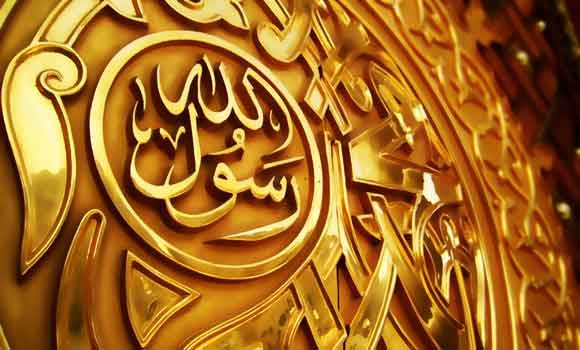
The Life of Prophet Muhammad (Peace Be Upon Him)

uberpreneurs.com – The life of Prophet Muhammad (peace be upon him) is a remarkable journey that has inspired billions of people around the world. Born in the city of Mecca in the year 570 CE, Muhammad’s life was marked by humility, compassion, and a profound dedication to the will of God. His teachings laid the foundation for Islam, one of the world’s major religions, and his legacy continues to influence countless lives centuries after his death.

Early Life

Muhammad was born into the Quraysh tribe, a respected yet not particularly wealthy clan in Mecca. Orphaned at a young age, he was raised by his grandfather and later by his uncle. Despite his humble beginnings, Muhammad was known for his honesty and integrity, earning him the title “Al-Amin” (the trustworthy).

Revelation and Prophethood

At the age of 40, Muhammad began to receive revelations from God through the angel Gabriel. These revelations, which would later be compiled into the Quran, marked the beginning of his prophetic mission. Initially, Muhammad faced significant opposition from the leaders of Mecca, who feared that his teachings would undermine their authority.

The Migration to Medina

Faced with increasing persecution, Muhammad and his followers migrated to Medina in 622 CE, an event known as the Hijrah. In Medina, Muhammad established a community based on the principles of Islam, including equality, justice, and mutual respect. The Hijrah marks the beginning of the Islamic calendar.

The Unification of Arabia

Through diplomacy and, when necessary, military campaigns, Muhammad succeeded in unifying the Arabian Peninsula under the banner of Islam. His leadership was characterized by wisdom, fairness, and a deep concern for the welfare of all people, regardless of their faith.

Teachings and Principles

Muhammad’s teachings emphasized the oneness of God (Tawhid), the importance of leading a righteous life, and the belief in the afterlife. He taught the value of charity (Zakat), fasting (Sawm), and pilgrimage (Hajj), which, along with the declaration of faith (Shahada), form the Five Pillars of Islam.

Legacy

Muhammad’s legacy is vast and multifaceted. He is revered by Muslims as the final prophet sent by God to guide humanity. His life and teachings have shaped Islamic culture, law, and spirituality. The Quran, which Muslims believe to be the word of God as revealed to Muhammad, is a source of guidance and inspiration for over a billion people worldwide.

Conclusion

The life of Prophet Muhammad (peace be upon him) is a testament to the power of faith, perseverance, and compassion. His message of peace, justice, and equality continues to resonate with people of all backgrounds. As we reflect on his life and teachings, we are reminded of the potential for good that exists within each of us and the importance of striving to live in harmony with one another.
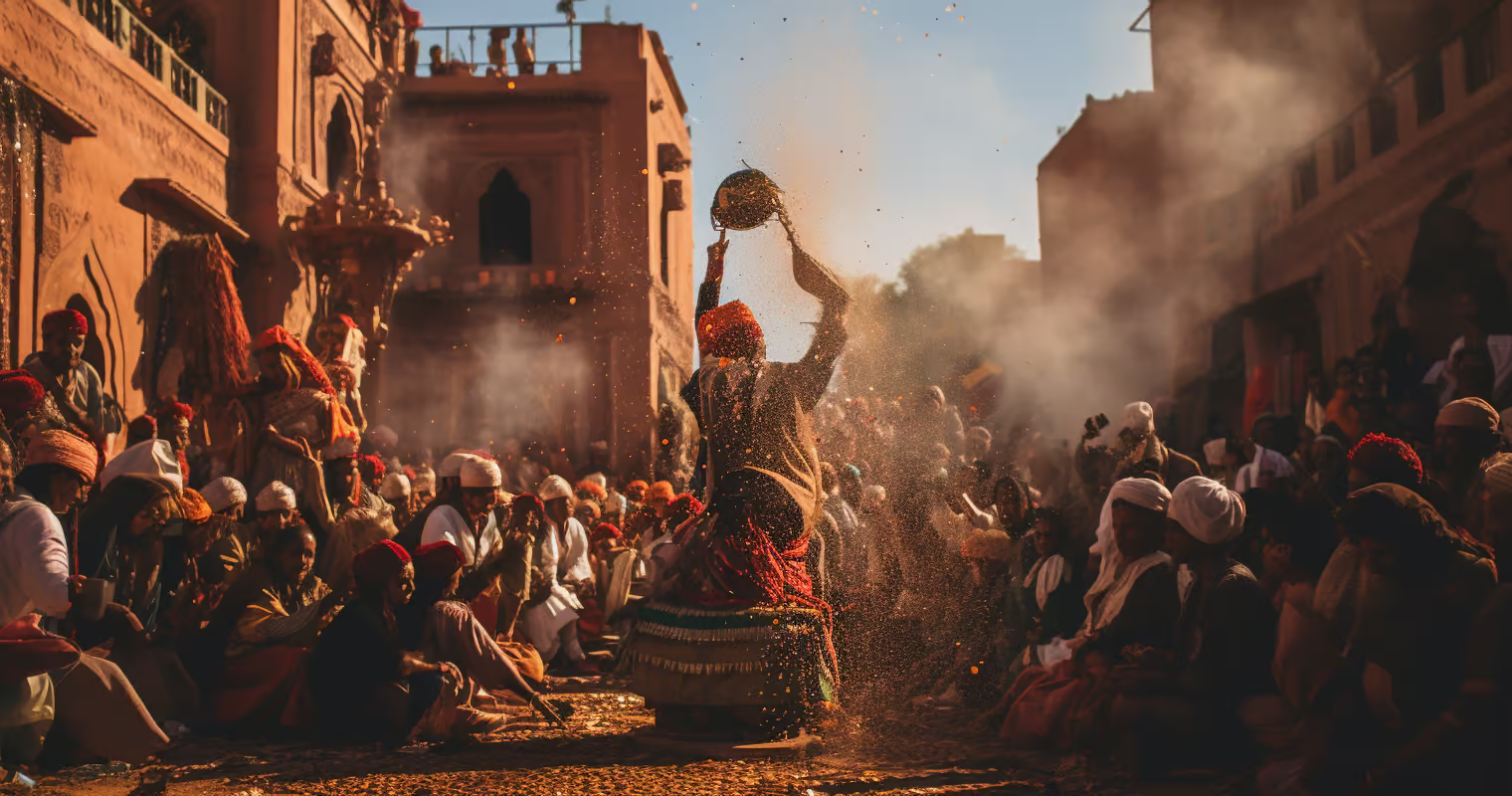
Celebrating Life’s Milestones with Zest: Moroccan Festivals

uberpreneurs.com – Morocco, a country where the vibrant tapestry of culture, history, and tradition weaves together to create a unique mosaic of celebrations, is home to a plethora of festivals that mark life’s milestones with unparalleled zest and fervor. From the bustling streets of Marrakech to the serene landscapes of the Atlas Mountains, these festivals are not just events; they are a reflection of the Moroccan soul, showcasing the country’s rich heritage, diversity, and joie de vivre.

The Rhythms of Life: A Symphony of Festivals

Moroccan festivals are as diverse as they are numerous, each celebrating a different aspect of life, culture, and faith. These celebrations are not confined to urban centers; they are spread across the length and breadth of the country, from the coastal cities to the deep desert.

One of the most vibrant and colorful festivals is the Rose Festival in the picturesque town of Kelaat M’gouna. This festival celebrates the harvest of roses, which are then used to produce rose water and essential oils. The event is marked by parades, traditional music, and dance, with locals and visitors alike donning pink attire to honor the occasion.

Spiritual Journeys: Festivals of Faith

Morocco’s festivals are not just about cultural expressions; they are also deeply spiritual. The Moussem of Moulay Idriss, for example, is a pilgrimage to the tomb of Moulay Idriss, the founder of the Idrissid dynasty and the great-grandson of Prophet Muhammad. This festival combines religious devotion with cultural festivities, attracting pilgrims and visitors from all over the country and beyond.

The holy month of Ramadan is another significant period in the Moroccan calendar, marked by communal prayers, nightly feasts, and a sense of community and solidarity. The breaking of the fast at sunset, known as Iftar, is a time for families and friends to gather, share food, and celebrate the day’s achievements.

Celebrating the Arts: Festivals of Music and Dance

Music and dance are integral to Moroccan culture, and several festivals celebrate these art forms. The Gnaoua World Music Festival in Essaouira is a vibrant celebration of the Gnaoua music and culture, blending traditional Moroccan sounds with international influences. This festival is a melting pot of cultures, attracting musicians and visitors from all over the world.

The Marrakech International Film Festival is another significant event that showcases Morocco’s rich cinematic heritage and its contribution to world cinema. This festival is a platform for emerging talents and a celebration of the art of filmmaking.

The Culinary Delight: Festivals of Food

No celebration in Morocco is complete without its rich and diverse cuisine. The Marrakech Food Festival is a testament to Morocco’s culinary prowess, offering a gastronomic journey through the country’s regional specialties, from the savory tagines to the sweet pastries. This festival is not just about food; it’s about the stories, traditions, and people behind the dishes.

Conclusion: A Celebration of Life

Moroccan festivals are more than just celebrations; they are a reflection of the country’s rich cultural heritage, its diversity, and its zest for life. These festivals bring people together, fostering a sense of community and solidarity. They are a testament to the Moroccan spirit, a celebration of life’s milestones with unparalleled zest and fervor. Whether it’s the vibrant colors of the Rose Festival, the spiritual journey of the Moussem of Moulay Idriss, or the culinary delights of the Marrakech Food Festival, Moroccan festivals offer a glimpse into the soul of this enchanting country.

Communicating with Extraterrestrial Life: The Cosmic Connection

uberpreneurs.com – The quest to establish a cosmic connection with extraterrestrial life has long fascinated humanity. From ancient civilizations gazing at the stars to modern-day scientists scanning the cosmos with powerful telescopes, the search for intelligent life beyond Earth has been a persistent theme in human history. The idea of communicating with extraterrestrial beings challenges our understanding of the universe and our place within it. This article explores the scientific endeavors, philosophical implications, and technological advancements that drive the pursuit of making contact with alien civilizations.

The Search for Extraterrestrial Intelligence (SETI):

The Search for Extraterrestrial Intelligence, or SETI, is a scientific area that focuses on detecting intelligent life outside Earth. SETI projects use radio telescopes to listen for signals from civilizations that might be broadcasting their presence to the cosmos. The most famous SETI experiment is the ongoing search by the Allen Telescope Array, which scans the skies for narrow-bandwidth radio signals that could indicate the presence of extraterrestrial technology.

Messaging Extraterrestrial Intelligence (METI):

While SETI focuses on passive listening, Messaging Extraterrestrial Intelligence (METI) is about actively sending signals into space with the intention of reaching out to potential extraterrestrial civilizations. METI messages are carefully crafted to be understandable to beings with different cognitive frameworks and are often based on universal scientific concepts and mathematical principles. The Arecibo message, sent in 1974, is one of the most well-known METI transmissions, containing information about human life and Earth’s location.

The Technological Challenge:

Communicating with extraterrestrial life presents significant technological challenges. The vast distances between stars mean that signals take years to travel even to the nearest stars. This delay makes real-time conversation impossible and requires messages to be self-explanatory. Additionally, the methods used by extraterrestrial civilizations to communicate might be entirely different from our own, necessitating a broad approach to signal detection and interpretation.

The Philosophical Implications:

The discovery of extraterrestrial intelligence would have profound implications for humanity. It would challenge our understanding of life, intelligence, and consciousness. Philosophical questions about the nature of existence, the uniqueness of human civilization, and the potential for a cosmic community would come to the forefront. The ethical considerations of contact, such as the potential impact on human society and the rights of extraterrestrial beings, would also need to be addressed.

The Cultural Impact:

The prospect of communicating with extraterrestrial life has been a rich source of inspiration for artists, writers, and filmmakers. Science fiction has explored countless scenarios of first contact, from the benevolent and enlightening to the catastrophic and destructive. These narratives reflect our hopes and fears about the unknown and prepare us, in a cultural sense, for the possibility of a cosmic connection.

Conclusion:

The quest to communicate with extraterrestrial life is a testament to human curiosity and the desire to understand our place in the universe. While the search continues, it remains one of the most intriguing and unresolved questions in science. Whether we will eventually make a cosmic connection is still an open question, but the pursuit itself has already expanded our horizons and deepened our appreciation for the cosmos. As technology advances and our understanding of the universe grows, the dream of making contact with extraterrestrial civilizations may one day become a reality, forever altering our perception of life and the cosmos.