Love Across Borders: Asian-Western Couples Share Their Stories

uberpreneurs.com – In an increasingly globalized world, love knows no boundaries. The rise of international relationships, particularly between Asian and Western partners, has become a beautiful testament to the universal language of love. These unions, often bridging vast cultural, linguistic, and geographical distances, offer unique perspectives on love, marriage, and family. Here, we delve into the stories of several Asian-Western couples who have navigated the complexities of cross-cultural relationships to build lasting partnerships.

The Journey Begins: Overcoming Cultural Differences

For many Asian-Western couples, the initial attraction is often followed by the daunting task of navigating cultural differences. Language barriers, differing social norms, and varying expectations about relationships can pose significant challenges. However, these obstacles also provide opportunities for growth and understanding.

Building Bridges: Communication and Compromise

Communication is key in any relationship, but it becomes even more crucial in cross-cultural partnerships. Couples must learn to express their needs and desires clearly, while also being open to compromise. Many find that embracing each other’s traditions and customs strengthens their bond, creating a unique blend of cultures within their relationship.

Family Dynamics: Integrating Two Worlds

Introducing a partner from a different cultural background to family members can be a delicate process. Asian-Western couples often face the challenge of integrating two very different family dynamics. However, with patience and understanding, many find that their families come to appreciate the richness that a cross-cultural relationship brings.

Celebrating Diversity: The Joys of a Multicultural Union

One of the most rewarding aspects of being in an Asian-Western relationship is the celebration of diversity. Couples often enjoy a rich tapestry of traditions, festivals, and cuisines. They also have the opportunity to raise children in a multicultural environment, teaching them the value of acceptance and diversity from a young age.

The Future of Love: A Global Perspective

As the world continues to shrink, the number of Asian-Western couples is likely to grow. Their stories serve as a beacon of hope and inspiration, showing that love truly does transcend borders. By sharing their experiences, these couples pave the way for a more inclusive and interconnected world, where love in all its forms is celebrated and embraced.

In conclusion, the journeys of Asian-Western couples remind us that while love may come naturally, sustaining a relationship across borders requires effort, understanding, and a deep commitment to each other’s worlds. Their stories are a testament to the power of love to unite us, despite our differences.

Iconic Figures and Their Stories: Princesses of History

uberpreneurs.com – Throughout history, princesses have been celebrated not just for their royal lineage but for their remarkable stories, contributions, and legacies. These women, born into privilege and often bound by tradition, have navigated the complexities of royal life to leave indelible marks on the world. Their tales are as varied as they are fascinating, weaving through the annals of history to inspire and intrigue. Here, we explore the lives of some of the most iconic princesses, whose stories continue to captivate us.

1. Princess Diana of Wales

Princess Diana best style moments and most iconic dresses

Perhaps one of the most beloved and tragic figures of modern history, Princess Diana, was more than just a royal icon. Her compassion and commitment to humanitarian causes, particularly those concerning HIV/AIDS research, landmines, and the homeless, endeared her to millions worldwide. Diana’s life was a testament to the power of empathy and the impact one person can have on global issues. Her tragic death in 1997 left a void in the hearts of many, but her legacy lives on through her charitable works and her sons, Prince William and Prince Harry.

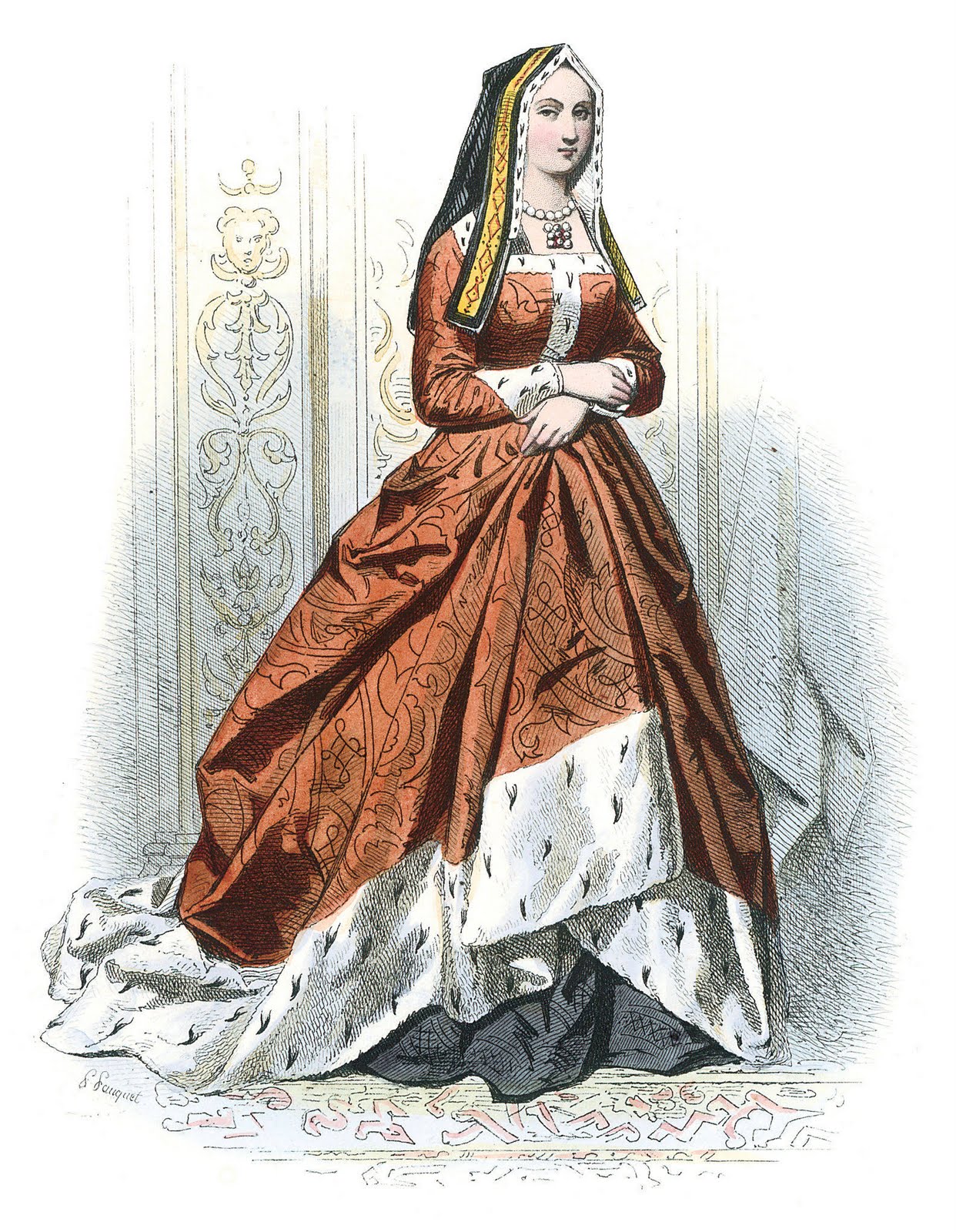
2. Princess Elizabeth of York (Elizabeth I)

Elizabeth of York 11 February 1466 – 11 February 1503

Before becoming one of England’s most celebrated monarchs, Elizabeth I was a princess navigating the treacherous waters of Tudor politics. Her path to the throne was fraught with danger, including her imprisonment in the Tower of London. Yet, Elizabeth’s intelligence, resilience, and political savvy saw her through. As queen, she oversaw a golden age of exploration, arts, and literature, leaving an indelible mark on English history.

3. Princess Grace of Monaco

Grace of Monaco Movie Still - #110439 - Movie Insider

Grace Kelly’s transformation from Hollywood actress to Princess of Monaco is the stuff of fairy tales. Her marriage to Prince Rainier III in 1956 was a global sensation, and her grace, elegance, and philanthropic efforts made her a beloved figure in Monaco. Grace’s life was tragically cut short in a car accident in 1982, but her legacy as a style icon and humanitarian endures.

4. Princess Noor of Jordan

The Hashemites — On 23 August 2018 , HM Queen Noor Al Hussein...


Born Lisa Halaby, an American of Syrian descent, Princess Noor’s journey to becoming Queen Noor of Jordan is a tale of love and cross-cultural understanding. Married to King Hussein of Jordan in 1978, she became a powerful advocate for education, environmental conservation, and cross-cultural dialogue. Her work has spanned the globe, highlighting the potential for royal figures to effect positive change on a global scale.

5. Princess Anne of Romania

10 Reasons Why Queen Anne of Romania is Larger than Life


Princess Anne, or Ileana, as she was known, was a daughter of King Ferdinand I of Romania. Her life was marked by her deep faith and commitment to her country. During World War II, she used her royal status to aid refugees and the wounded, earning her the nickname “The Angel of the Carpathians.” Her story is one of bravery and compassion in the face of adversity.

6. Princess Sultana al-Saud

Princess Sultana Al Sa'ud (cef2145) - Profile | Pinterest


While not as widely known in the West, Princess Sultana of Saudi Arabia has become a voice for women’s rights in the Kingdom. Through her memoirs, she has shed light on the lives of women in Saudi Arabia, challenging stereotypes and advocating for change. Her courage in speaking out against the restrictions placed on women in her country highlights the power of individual action against systemic oppression.

These princesses, among many others, have left legacies that extend far beyond the confines of their royal titles. Their stories remind us that, regardless of the era or the challenges faced, individuals can make significant contributions to society. Whether through humanitarian efforts, political acumen, cultural contributions, or advocacy for change, these iconic figures have enriched our understanding of history and continue to inspire new generations.

True Crime Story of Murder and Malice: Poisoner’s Handbook

uberpreneurs.com – In the early 20th century, America was a land of innovation and upheaval, a time when the rapid pace of change was matched only by the ingenuity of its citizens. Yet, with progress came peril, as the rise of new chemicals and drugs introduced unprecedented dangers into everyday life. Amidst this backdrop of scientific advancement and societal transformation, a chilling tale of murder and malice unfolded, one that would challenge the very foundations of forensic science and criminal justice. This is the story of “The Poisoner’s Handbook,” a true crime narrative that delves into the dark underbelly of a nation grappling with the toxic fruits of its own ingenuity.

The story begins in New York City, the epicenter of American progress and a melting pot of cultures and ideas. It was here, in the bustling laboratories of the Bureau of Chemical Service, that a young chemist named Alexander Gettler found himself at the forefront of a burgeoning field: forensic toxicology. Gettler’s work was nothing short of revolutionary. He developed groundbreaking techniques for detecting poisons in the human body, transforming the way crimes of murder by poison were investigated and prosecuted.

The narrative of “The Poisoner’s Handbook” is as much about Gettler’s pioneering work as it is about the cases that defined his career. Chief among these was the sensational murder trial of Ruth Snyder and Judd Gray, accused of poisoning Snyder’s husband. The trial captured the public’s imagination, not only because of its lurid details but also because it marked the first time that the science of toxicology played a pivotal role in a criminal proceeding. Gettler’s testimony, backed by his meticulous research and innovative methods, provided incontrovertible evidence that would seal the fate of the accused.

But “The Poisoner’s Handbook” is more than a chronicle of one man’s achievements. It is a window into the era’s complex relationship with the chemicals that permeated every aspect of life. From the household products that could kill if misused to the patent medicines that promised cures but often contained lethal doses of narcotics and poisons, the book explores how a society’s fascination with chemical advancements could turn deadly.

The narrative also touches on the broader implications of Gettler’s work. As the science of toxicology evolved, so too did the nature of crime and punishment. The ability to detect and identify poisons in the body meant that murderers could no longer rely on the invisibility of their weapons. This new era of forensic science heralded a shift towards a more evidence-based approach to justice, one that continues to shape legal proceedings to this day.

“The Poisoner’s Handbook” is a gripping tale of murder, malice, and the relentless pursuit of truth. It is a story of how one man’s dedication to science could change the course of justice and expose the dark side of human ingenuity. But above all, it is a reminder of the fine line between progress and peril, and the eternal vigilance required to safeguard against the misuse of our greatest discoveries.

In the end, “The Poisoner’s Handbook” is not just a true crime story; it is a reflection on the nature of humanity and the complex interplay between innovation and ethics. It challenges us to consider the unintended consequences of our advancements and the moral responsibilities that accompany them. As we continue to push the boundaries of what is possible, the lessons of “The Poisoner’s Handbook” serve as a sobering reminder of the dangers that lie in wait when we lose sight of the human cost of progress.