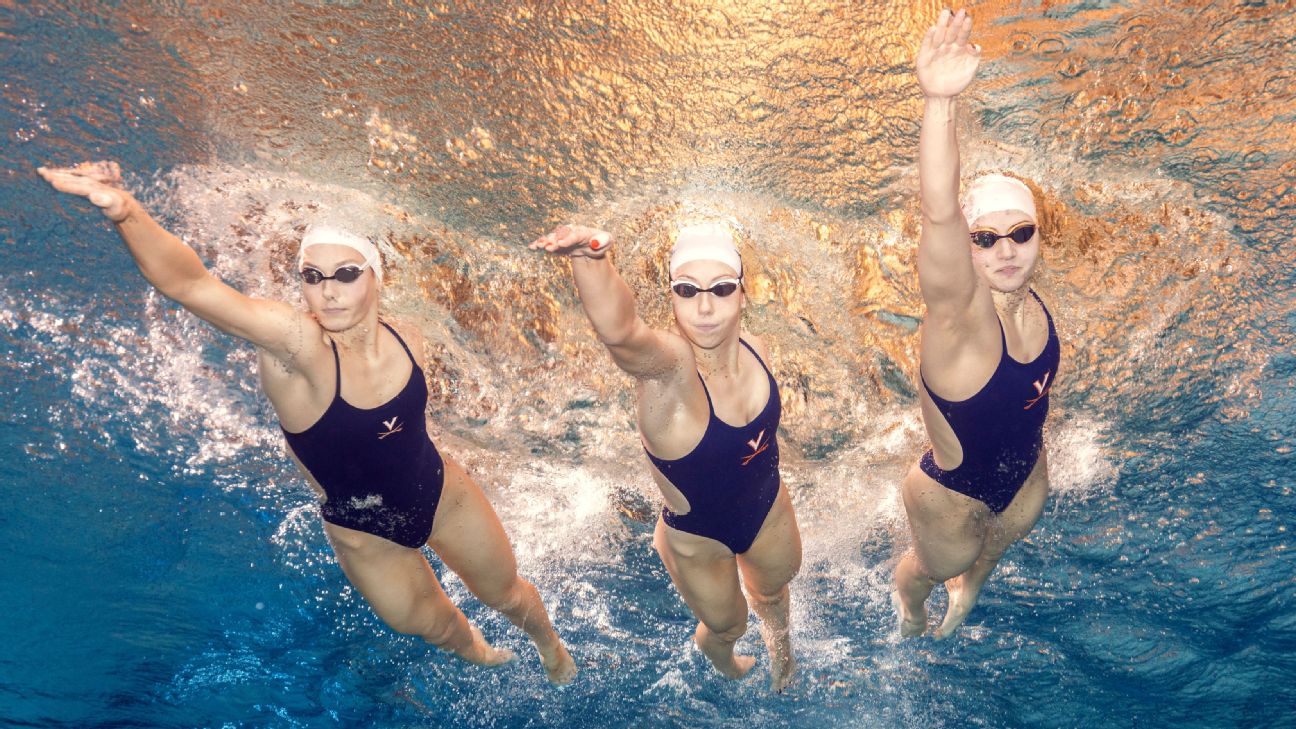
uberpreneurs.com – The world of aquatic sports has long been a stage for showcasing human athleticism and endurance. Among the waves and ripples, a remarkable trend has emerged, one that has seen women rise to the forefront of competition, setting records, and inspiring generations. This phenomenon, often referred to as “Serve and Swim,” highlights the dominance of women in aquatic disciplines such as swimming, diving, synchronized swimming, and water polo. This article delves into the reasons behind this dominance, the challenges faced, and the impact of women’s achievements in these sports.
Historical Context:
Women’s participation in aquatic sports has evolved significantly since the early 20th century. The first women’s swimming event was included in the 1912 Olympics, and since then, female athletes have been making waves in the pool. The evolution of swimwear, from heavy woolen suits to the sleek, aerodynamic designs of today, has also played a crucial role in enhancing performance and breaking barriers.
The Rise of Female Swimmers:
Women swimmers have been at the forefront of this evolution, setting world records and dominating international competitions. Athletes like Katie Ledecky, who has dominated the distance freestyle events, and Simone Manuel, the first African American woman to win an individual gold medal in swimming, have become household names. Their achievements have not only set new standards in the sport but have also served as a beacon of inspiration for young girls around the world.
Diving and Synchronized Swimming:
Diving and synchronized swimming are other areas where women have shown exceptional prowess. The grace, precision, and strength required in these sports have been mastered by athletes like China’s Fu Yuanhui and the USA’s Alison Bartosik, who have wowed audiences with their performances. Synchronized swimming, in particular, has been a platform for women to showcase their athleticism and artistic abilities, with teams like the Russian Synchronized Swimming team dominating the sport for years.
Water Polo:
Water polo, a physically demanding sport that combines swimming, ball handling, and strategy, has also seen a rise in women’s dominance. Teams like the USA women’s water polo team have consistently been at the top of the podium in international competitions, showcasing their skill, teamwork, and resilience.
Challenges and Advancements:
Despite their successes, female aquatic athletes have faced numerous challenges, including gender inequality, limited media coverage, and disparities in prize money and sponsorship opportunities. However, the tide is turning. Advocacy for equal pay, increased media attention, and the rise of social media have provided platforms for these athletes to share their stories and achievements, inspiring change and recognition.
Impact and Legacy:
The dominance of women in aquatic sports has left an indelible mark on the world of sports and society at large. It has challenged stereotypes, broken barriers, and paved the way for future generations. The achievements of these athletes serve as a testament to the power of perseverance, dedication, and the pursuit of excellence.
Conclusion:
The phenomenon of “Serve and Swim” is a testament to the incredible talent, strength, and determination of women in aquatic sports. From the pool to the diving board, and from the synchronized swimming arena to the water polo field, women have not only made their mark but have also set new standards for what it means to be an athlete. As we continue to celebrate their achievements, it is clear that the legacy of women in aquatic sports will continue to inspire and empower for generations to come.
