Smartphone Trump: Ambisi “Made in USA” yang Dikejar di Tengah Keraguan

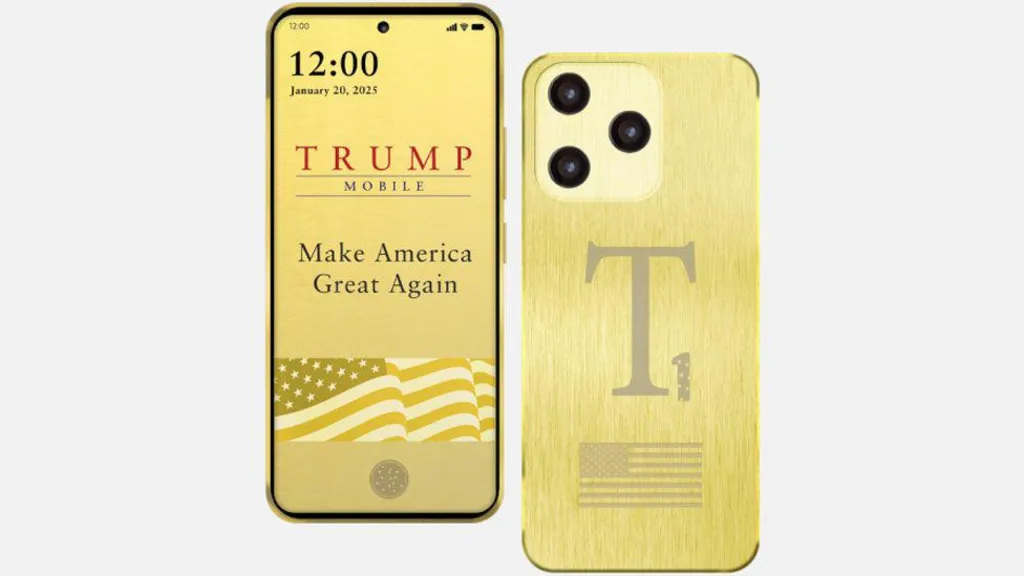
uberpreneurs.com – Trump Organization mengumumkan peluncuran smartphone bernama T1. Perangkat ini hadir dengan klaim bahwa pembuatannya dilakukan sepenuhnya di Amerika Serikat. Namun, berbagai pihak mempertanyakan klaim tersebut. Banyak analis teknologi menyebut hal itu nyaris mustahil diwujudkan.

Ponsel seharga $499 ini tampil mencolok dengan warna emas. Eric Trump mengatakan, semua ponsel nantinya bisa dibuat di AS. Tapi pernyataannya memberi isyarat bahwa versi pertama belum tentu sepenuhnya diproduksi di dalam negeri.

Peluncuran T1 Picu Kritik Etika dan Keraguan Industri

Beberapa pengamat menilai proyek ini bukan sekadar bisnis teknologi. Meghan Faulkner dari Citizens for Responsibility and Ethics in Washington menyebut, Trump kembali menciptakan peluang bisnis pribadi saat masih aktif dalam politik. Ia menyoroti potensi konflik kepentingan yang muncul.

Di sisi lain, para ahli meragukan kesiapan industri AS. Profesor Tinglong Dai dari Johns Hopkins menyebut, tanpa rantai pasok yang mapan dan skala besar, produksi penuh di AS nyaris mustahil. Ia juga menyebut belum ada prototipe nyata dari perangkat tersebut.

Realita Produksi Smartphone di AS

Menurut analis CCS Insight, Amerika belum memiliki rantai pasok teknologi tinggi untuk merakit smartphone dari awal. Ia memperkirakan kemungkinan besar ponsel dirakit di AS, tapi komponennya tetap berasal dari luar negeri. Ini artinya, klaim “Made in USA” lebih cocok disebut sebagai strategi pemasaran ketimbang kenyataan teknis.

Trump Organization belum mengumumkan siapa mitra manufakturnya. Mereka juga belum merespons pertanyaan seputar detail produksi maupun isu etika yang muncul.

Strategi Branding di Tengah Kompetisi Pasar

Trump Wireless akan bersaing dengan raksasa seperti Verizon, T-Mobile, dan AT&T. Layanan ini akan dibanderol $47.45 per bulan, merujuk pada Trump sebagai presiden ke-45 dan (potensial) ke-47. Strategi tersebut menyasar basis pendukung yang loyal.

Namun, kompetisi di industri seluler sangat ketat. Banyak penyedia layanan kecil seperti Mint Mobile berhasil bertahan dengan menawarkan harga terjangkau dan fleksibilitas. Tanpa fitur unggulan dan infrastruktur kuat, sulit bagi T1 untuk menarik pengguna umum.

Taktik Lama, Produk Baru

Trump sudah lama menggunakan namanya sebagai alat bisnis. Ia pernah menjual lisensi nama ke hotel, lapangan golf, dan berbagai produk lain. Kini, strategi itu kembali hadir dalam bentuk ponsel.

Dalam laporan keuangan terbaru, Trump mencatat penghasilan lebih dari $600 juta per tahun. Produk seperti Alkitab, parfum, dan arloji berlabel Trump menyumbang pendapatan besar. Forbes bahkan mencatat kekayaan Trump naik dua kali lipat tahun lalu.

Reaksi Publik Campur Aduk

Peluncuran T1 mendapat sambutan beragam. Sebagian pendukung menyambut antusias, bahkan siap melakukan pre-order. Di sisi lain, banyak yang menyindir desain dan fungsi ponsel. Beberapa menyebut, ponsel ini hanya cocok untuk “tweet dalam huruf kapital”.

Sementara itu, belum ada informasi detail soal fitur teknis. Belum diketahui juga apakah ponsel ini punya keunggulan khusus dibanding ponsel mainstream lainnya.

Kesimpulan: Antara Harapan dan Realita

Trump T1 hadir di tengah sorotan tajam. Banyak pihak menilai peluncurannya lebih bernuansa politik ketimbang inovasi teknologi. Tanpa dukungan infrastruktur dan kejelasan teknis, sulit membayangkan produk ini sukses di pasar yang sangat kompetitif.

Di uberpreneurs.com, kami akan terus mengikuti perkembangan proyek ini. Apakah T1 akan menjadi simbol kemandirian industri Amerika, atau hanya strategi bisnis penuh simbolisme politik? Waktu yang akan menjawabnya.
Things You Need to Know: Smartphone Privacy Concerns

uberpreneurs.com – Smartphone privacy concerns are a significant issue in the digital age, as these devices have become an integral part of our lives, storing a vast amount of personal information. Here are some key points you need to know about smartphone privacy:

  1. Data Collection: Smartphones collect a wide range of data, including location information, contacts, messages, emails, browsing history, and app usage. This data is often used to personalize services and target advertising, but it can also be a privacy concern if it falls into the wrong hands.
  2. Apps and Permissions: Many apps request permissions to access various features of your smartphone, such as your camera, microphone, contacts, and location. It’s important to be cautious about which permissions you grant and to understand why an app needs certain access.
  3. Operating System Updates: Regular updates to your smartphone’s operating system (OS) are crucial for security. These updates often include patches for security vulnerabilities that could be exploited to compromise your privacy.
  4. Encryption: Ensure that your smartphone’s data is encrypted. This makes it much harder for unauthorized individuals to access your information if your device is lost or stolen.
  5. Two-Factor Authentication (2FA): Enable 2FA whenever possible. This adds an extra layer of security to your accounts by requiring a second form of verification in addition to your password.
  6. Public Wi-Fi: Be wary of using public Wi-Fi networks, as they can be insecure. Hackers can potentially intercept data transmitted over these networks. Use a Virtual Private Network (VPN) to encrypt your internet connection when using public Wi-Fi.
  7. Backups: Regularly back up your data, but ensure that your backups are also secure. Backing up to an encrypted cloud service or an encrypted external drive is a good practice.
  8. Physical Security: Protect your smartphone with a strong passcode, biometric lock (fingerprint, face recognition), or both. This prevents unauthorized access if your device is lost or stolen.
  9. Social Engineering: Be aware of social engineering tactics, such as phishing attempts, where attackers try to trick you into revealing personal information. Always verify the legitimacy of requests for sensitive information.
  10. Third-Party Services: Be cautious about the third-party services you connect to your smartphone. These services may have access to your data and could potentially compromise your privacy.
  11. Advertising ID: Both iOS and Android devices have an advertising ID that advertisers use to track your preferences and serve targeted ads. You can reset this ID or opt out of personalized ads to maintain a higher level of privacy.
  12. Privacy Policies: Read the privacy policies of the apps and services you use. Understanding how your data is collected, used, and shared is important for making informed decisions about your privacy.
  13. Secure Messaging: Use secure messaging apps that offer end-to-end encryption for your communications, such as Signal or WhatsApp.
  14. Factory Reset: Before selling or disposing of your smartphone, perform a factory reset to erase all personal data. Ensure that any sensitive information is not recoverable.
  15. Stay Informed: Privacy threats and technologies are constantly evolving. Stay informed about the latest developments in smartphone privacy and security to protect yourself effectively.

By being aware of these concerns and taking proactive steps to secure your smartphone, you can help protect your personal information and maintain your privacy in the digital world.